EVER POWER organizes SPA, SPZ, SPB and SPC V-belt pulleys by belt family and groove count so the dimensional choices can be compared side by side. The EP- prefix is added to the display model, while the underlying catalogue dimensions stay attached to the original configuration.
For replacement work, begin with the belt marking or machine drawing. Then confirm pitch/datum diameter, groove count, taper-bush designation and shaft bore. For a new drive, calculate the required ratio first and use the series tables to move to a standard diameter.
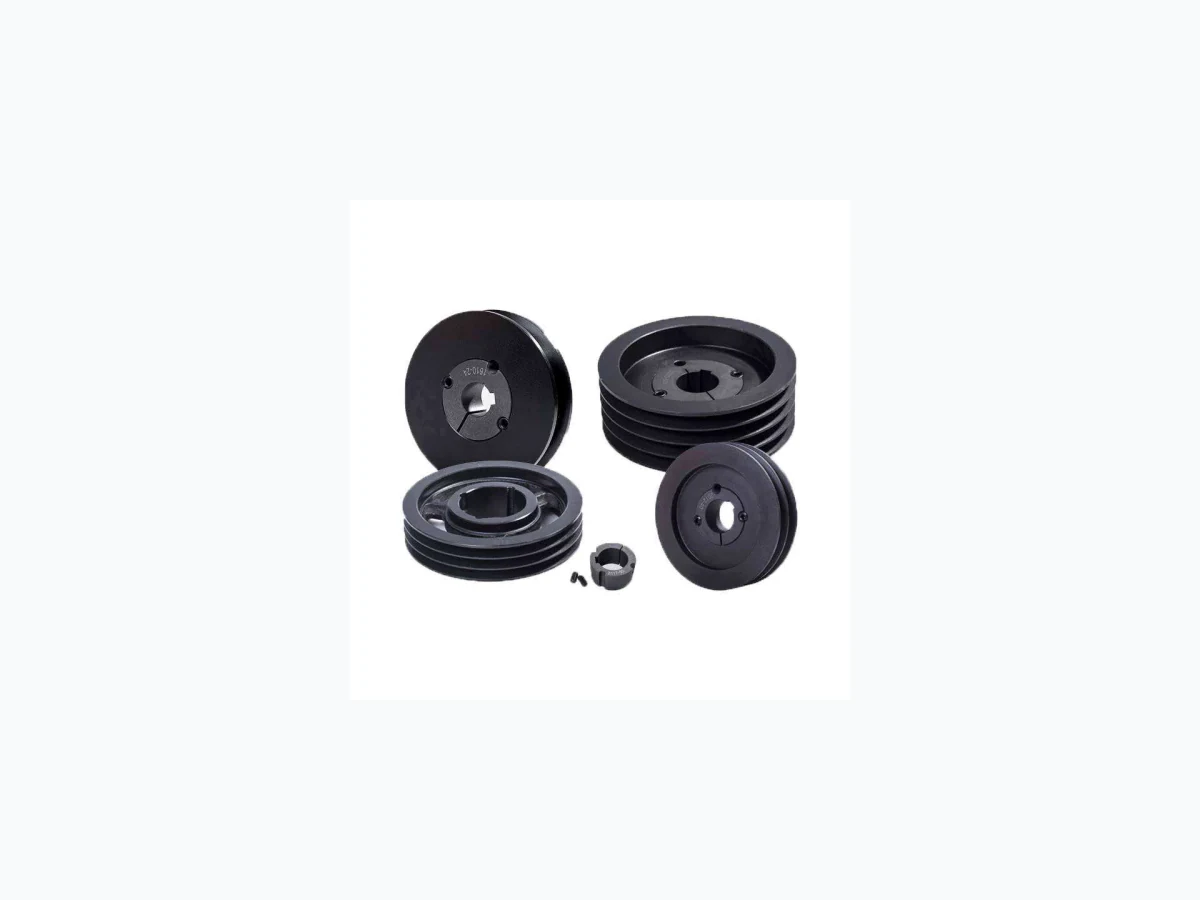
Choose the pulley family
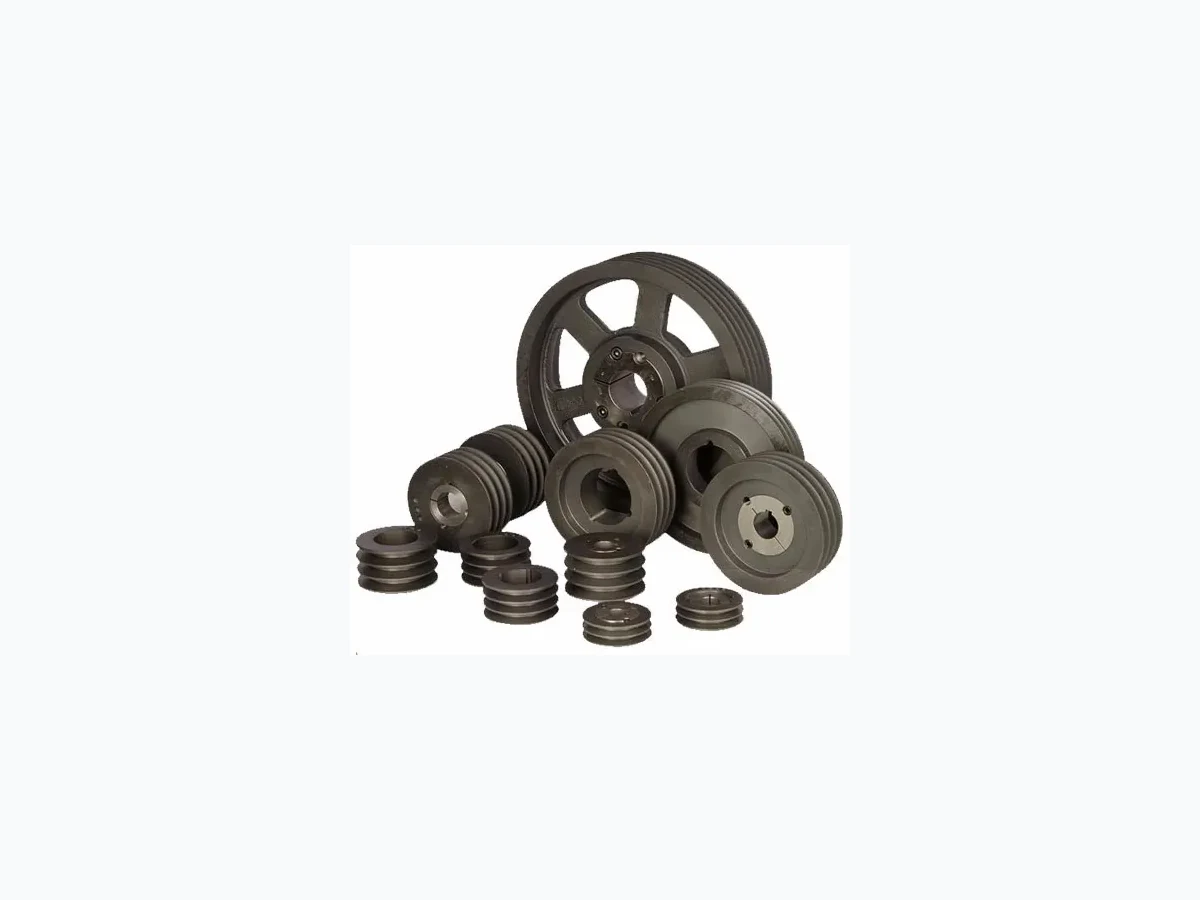
SPA V-Belt Pulleys
General-purpose European narrow V-belt pulley family with complete diameter, bush and letter-dimension tables.
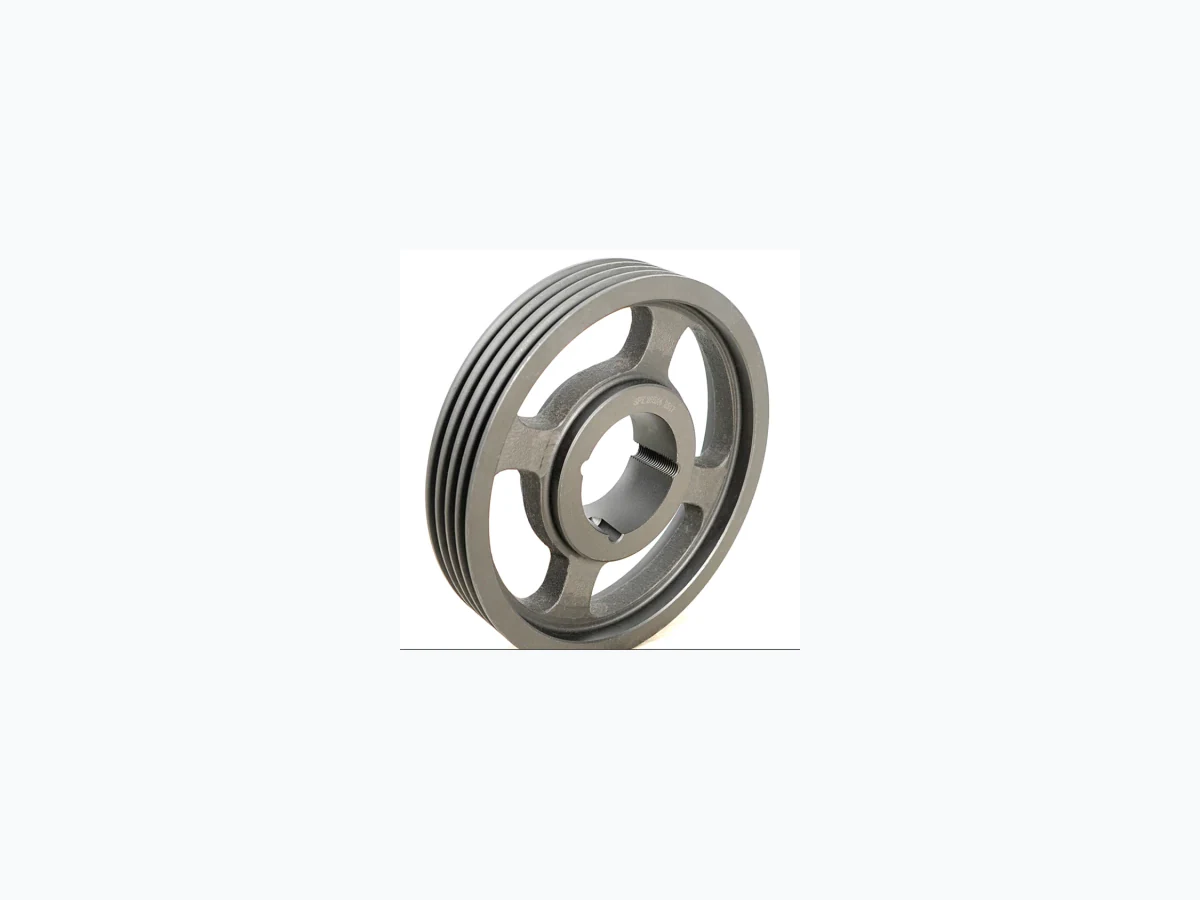
SPZ V-Belt Pulleys
Compact narrow profile for smaller drive envelopes and higher-speed machinery where the machine specification calls for SPZ.
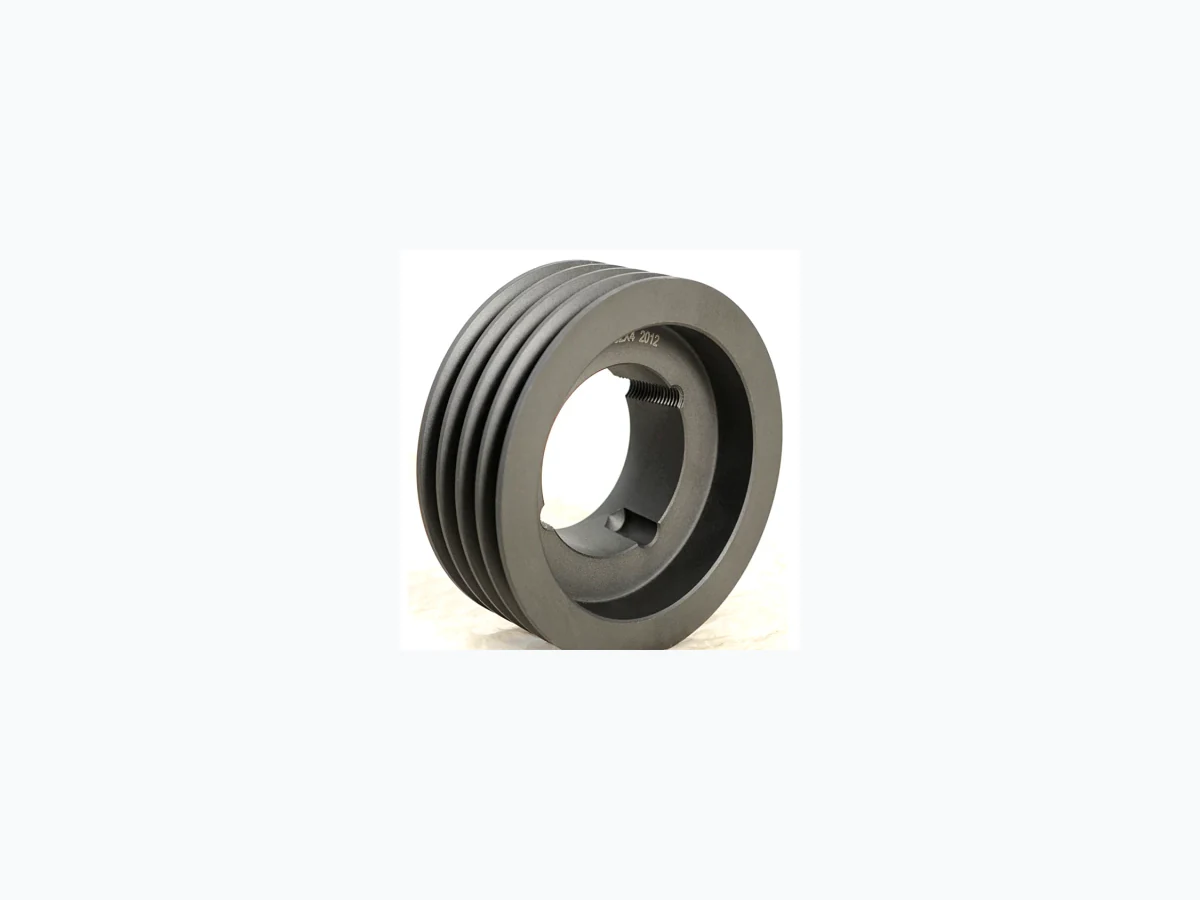
SPB V-Belt Pulleys
Larger section used where a higher-capacity belt drive is required and the shaft/guard envelope supports it.
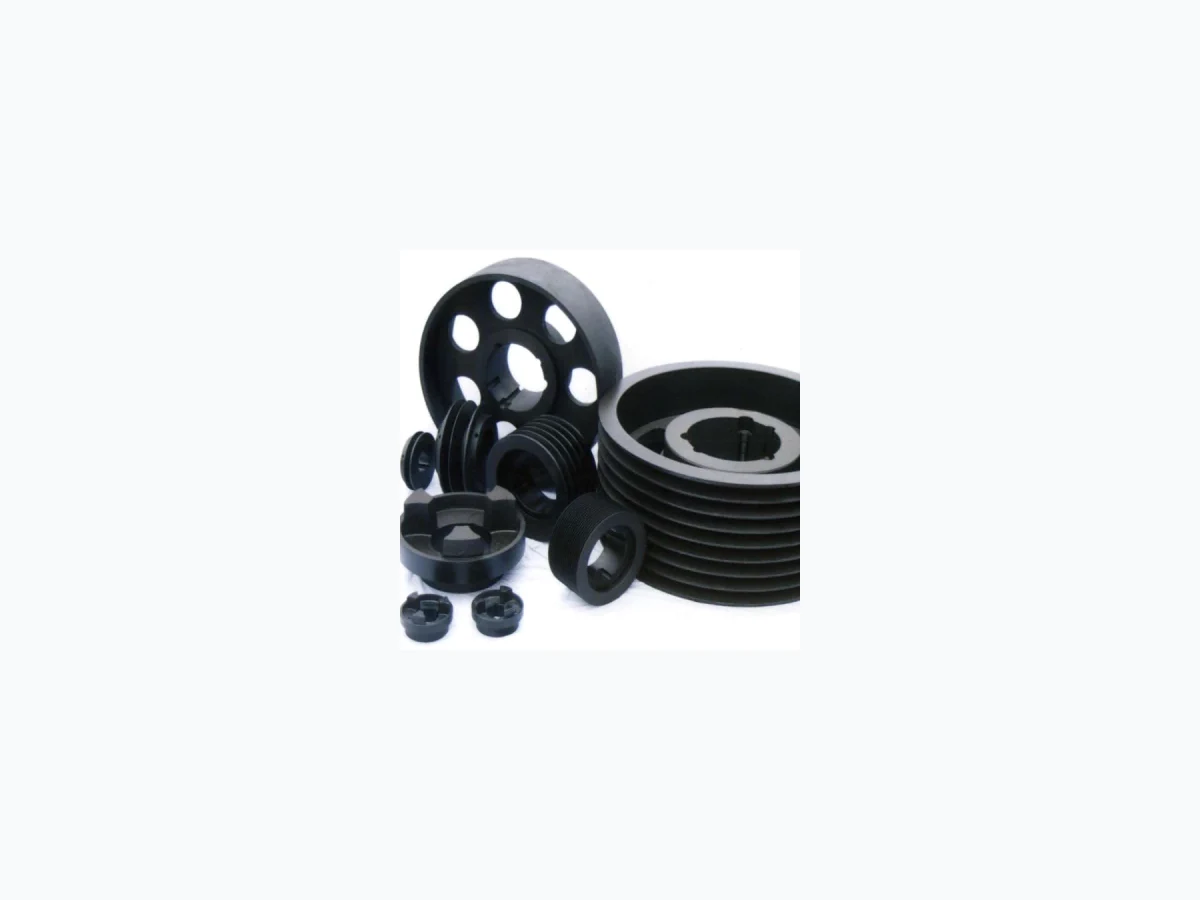
SPC V-Belt Pulleys
Heavy-duty narrow section for larger pulley diameters and multi-groove industrial drives.
Family comparison
SPZ, SPA, SPB and SPC are different narrow V-belt sections. Do not move between families solely because a diameter looks similar; the belt and groove geometry must match the machine specification.
| Family | Nominal belt section | Catalogue groove-count series | Typical selection context |
|---|---|---|---|
| SPA | 12.7 × 10 mm | 1–6 grooves | General industrial, agricultural, fan, pump and machine drives |
| SPZ | 9.7 × 8 mm | 1–6 and 8 grooves | Compact drives and smaller pulley envelopes |
| SPB | 16.3 × 13 mm | 1–6, 8 and 10 grooves | Higher-capacity industrial drives |
| SPC | 22 × 18 mm | 3–6, 8 and 10 grooves | Large, heavy-duty belt-drive layouts |
How to read an EP- model
EP-SPA 200-04 can be read as: EP- = EVER POWER display prefix, SPA = belt section, 200 = 200 mm pitch/datum diameter, and 04 = four grooves. The model page then gives outside diameter, bush and the lettered dimensions.
Six checks before you choose a pulley
1. Confirm the belt section
Read the marking on the existing belt or machine drawing. SPA, SPZ, SPB and SPC use different groove geometries.
2. Confirm the required ratio
Use the pitch/datum diameters, not the outside diameters, when checking driver and driven speed.
3. Choose the groove count
The groove count affects power capacity, axial width and the number of matched belts in the drive.
4. Match the shaft interface
Check shaft diameter, keyway and the recommended taper-bush designation for the exact row.
5. Check the machine envelope
Compare outside diameter and axial dimensions with the guard, bearings and adjacent components.
6. Record the RFQ details
Send the model or measurements, speeds, shaft, application and any drawing/replacement reference.
Technical dimensions used across the catalogue
The series drawing and specification tables use a consistent set of codes. The exact values vary by construction type and model, so read them from the selected row.
| Code | What it helps you verify |
|---|---|
| P | Pitch / datum diameter used for the drive ratio and model identity. |
| O | Outside diameter used for guard and envelope clearance. |
| E / F | Axial face and hub dimensions shown on the matching construction drawing. |
| J / K / L | Groove and hub-position dimensions that change with construction type. |
| M / N | Additional axial/interface dimensions shown for the applicable pulley type. |
| Bush / Max Bore | Taper-bush designation and the listed maximum finished bore for that configuration. |
Taper-bush or solid-hub mounting?
Taper-bush pulleys separate the pulley body from the finished shaft bore, making it easier to adapt a standard pulley to different shaft diameters and to remove the pulley during maintenance. A solid-hub pulley has a fixed machined bore and can suit standardized production equipment where the shaft size does not change.
When replacing an existing taper-bush pulley, record both the pulley model and the bush marking. If either marking is missing, measure the shaft and the relevant pulley dimensions before ordering.
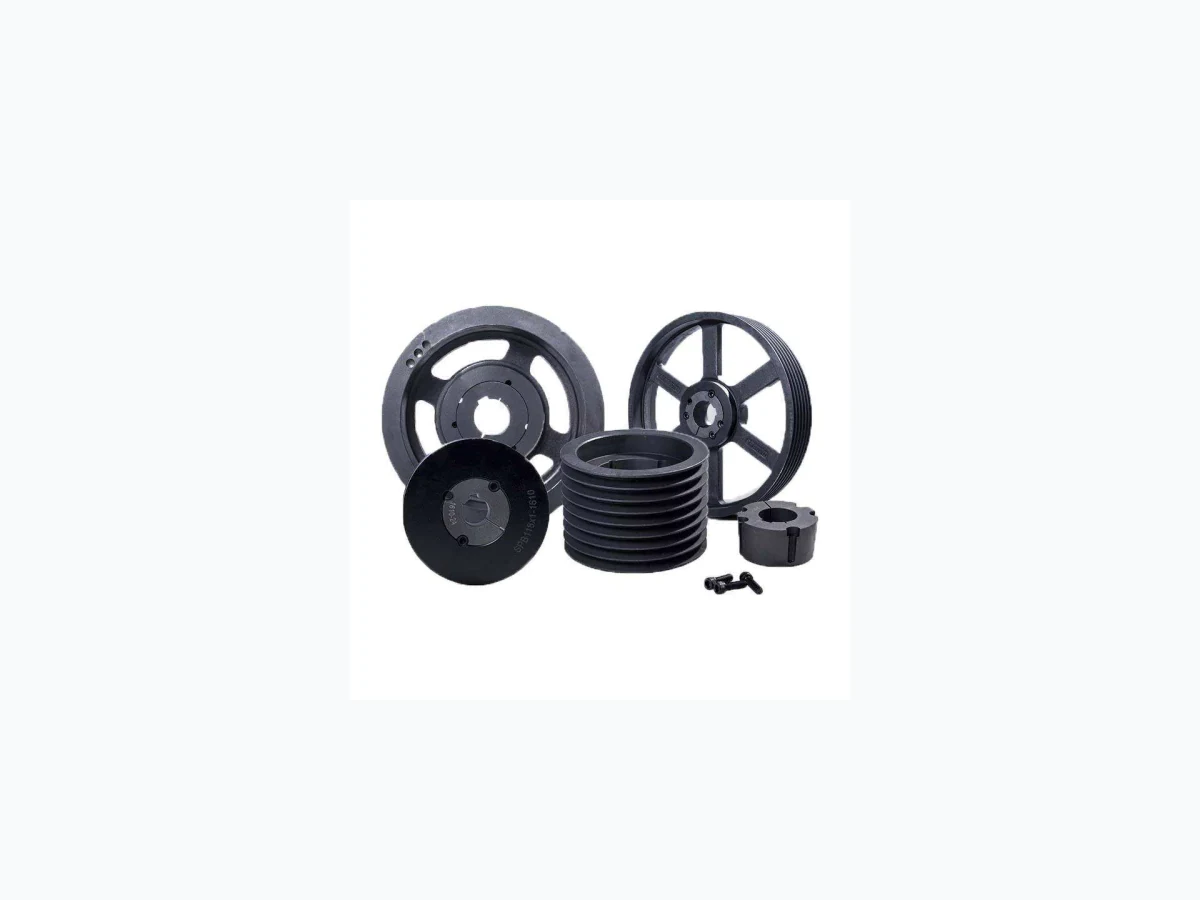
Applications
SPA pulleys appear in agricultural machinery, compressors and pumps, industrial fans, woodworking machinery, textile machinery and food-processing equipment. Each application changes the duty, speed, service-access and environmental checks that belong in the RFQ.
Send the pulley marking or a measured replacement reference
Include the belt section, pitch/datum or outside diameter, groove count, shaft diameter and any taper-bush marking. Email [email protected].